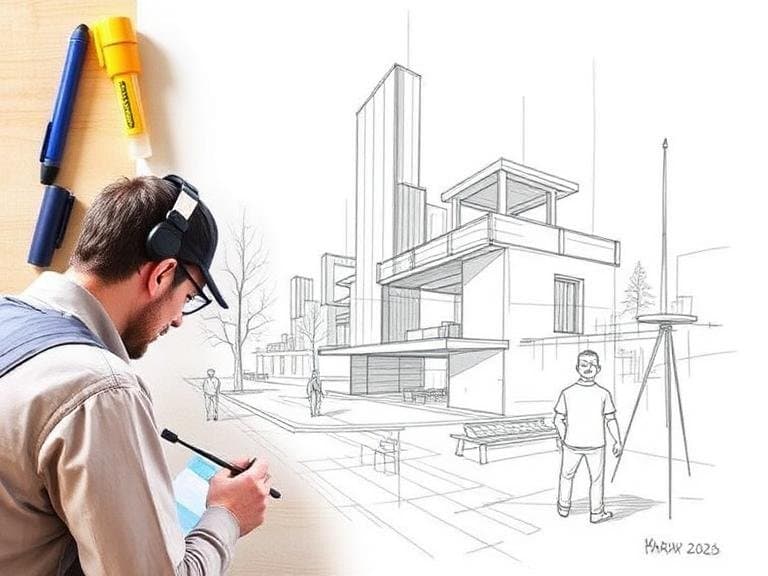
The Creative Catalyst of Architectural Sketching
Sketching serves as a foundational tool in architectural design, enabling architects to release creativity and intuition. According to recent research, sketching provides an organic platform for spontaneous idea generation, allowing concepts to evolve naturally. This process is critical in the early stages of design, where abstract thoughts are transformed into visual forms. The ability to rapidly iterate and explore multiple design directions is a key advantage of hand-drawn sketches. Unlike digital tools, which often require structured input, sketching allows for fluid and unstructured exploration of spatial and formal ideas.
Enhancing Communication and Conceptual Clarity
Sketches play a vital role in translating abstract architectural concepts into tangible visuals. Research indicates that sketches help architects and stakeholders visualize the design intent, fostering better communication. This is particularly important during the initial phases of a project, where clarity of vision is essential. By using sketches, architects can convey spatial relationships, proportions, and material choices effectively. The simplicity of hand-drawn sketches also makes them accessible for collaborative discussions, enabling real-time feedback and adjustments. This dynamic exchange of ideas is crucial for refining concepts and ensuring alignment with project goals.
Integration of Technology and Traditional Sketching
The evolving design landscape sees a blend of traditional sketching and digital tools. While digital design software offers precision and scalability, sketching remains irreplaceable for its spontaneity and flexibility. Recent studies highlight that the integration of both methods enhances the design process. For instance, architects may use digital tools to refine and scale sketches, but the initial conceptualization often relies on hand-drawn sketches. This hybrid approach allows for both creative exploration and technical accuracy, ensuring that the design process remains both innovative and practical.
Sketching in Modern Architectural Practice
Despite the rise of digital design tools, sketching continues to be a cornerstone of architectural practice. Research underscores that sketching is essential for exploring spatial ideas and proportions, which are fundamental to architectural design. The use of sketches also aids in the early stages of concept development, where rapid visualization is necessary. Additionally, sketching provides a medium for architects to experiment with forms and materials without the constraints of digital modeling. This experimental phase is critical for developing unique and innovative design solutions. The tactile nature of sketching also fosters a deeper connection between the designer and the design concept, enhancing the creative process.